
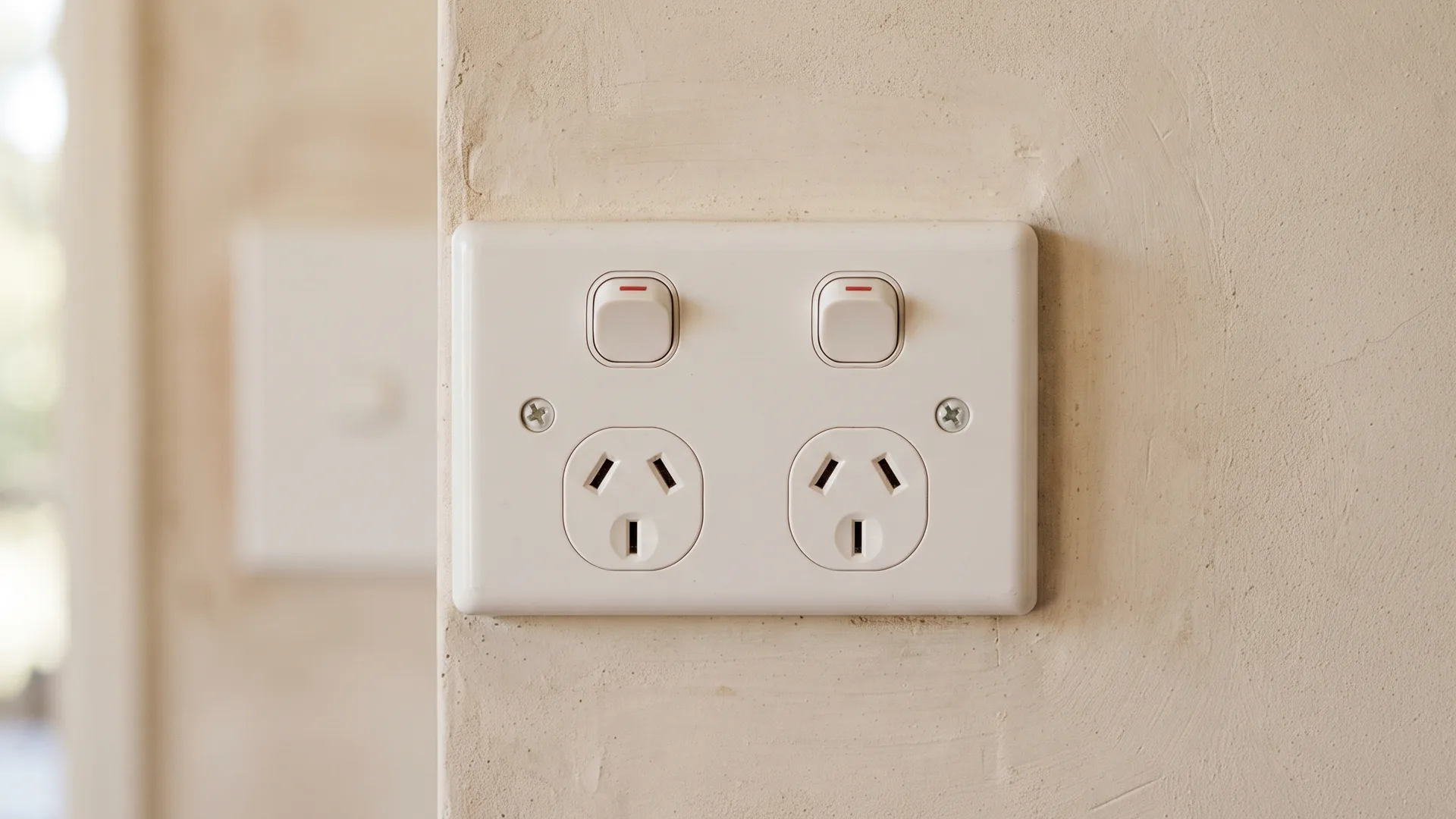
Australian residential power point illustrating an electrical safety enquiry
← All electrical guides

Safety switches in Indooroopilly

A repeated trip needs a cause, not a guessed replacement

A safety switch, or residual-current device (RCD), provides protection against electric shock. A circuit breaker protects circuitry from overcurrent. If a switch keeps tripping, the useful outcome is an assessment of the cause and the circuits involved, rather than a recommendation based on a label alone.

Electrical Safety Office: safety switches and circuit breakers

A fault to fix or a fitting to install?

Call now07 3132 3121

Request a callback

What happens next

  1. Your details are sent when you submit the form.
  2. You may be contacted by phone or email to talk through the job.
  3. Nothing goes ahead until you agree the visit and the price.

Describe the symptom or intended installation and any access constraints.

How we handle your details: privacy policy.

One switch does not tell you which circuits are protected

A licensed contractor can identify the actual devices and circuits, explain the reason for a proposed change and assess any recurring trip. Do not rely on a label, a photo or repeated resetting to decide that an installation is safe.

Read the Electrical Safety Office safety-switch guidance ↗

Useful details for the enquiry

  • Which room or circuit appears affected and when the trip happens.
  • Whether the question is about a recurring fault or a proposed change to protection.
  • Any written assessment or quote already supplied, without assuming it is complete.
  • Whether the trips began after recent electrical work or new equipment, and roughly when.

Protection coverage and a recurring fault

The timing of a trip, the rooms affected and any recent change give the contractor a history to assess. They do not establish the cause or prove that replacement is needed. A proposal for new protection should identify the circuits involved and the testing included. You can describe observations you already have without opening equipment or repeatedly resetting a device.

  • The assessment identifies the device that operated and the circuit it protects.
  • The recommendation explains a recurring fault or a protection change as separate questions.
  • Completion includes an explanation of the protection and the testing performed.

Before anyone replaces a safety switch

A trip is a symptom. These questions keep the cause, the repair and any change to protection as separate decisions.

Describe the pattern you have seen

Note when the switch trips: at a particular time, while certain equipment is running, or with no pattern you can see. Say which areas lose power. That is enough; you do not need to unplug things and reset the switch to test a theory.

Mention recent electrical work

If the trips began after recent work, tell the contractor who did it, with the timing and the exact point involved. The timing is worth knowing, but it does not prove what caused the trip.

Repair, or a change to protection?

If a quote proposes new or additional safety switches, ask which circuits they would cover and whether that change fixes the recurring trip or is a separate improvement. A safety switch and a circuit breaker do different jobs, so ask which device is being proposed.

If you rent

Report the trips to the property manager or owner through your tenancy repair process. If the fault looks dangerous, contact the emergency repair contact named in your tenancy agreement as soon as possible.

Common questions

Questions about safety switches

Read about fault finding ↗

Read the Indooroopilly property guide.

Safety switches questions

Does one safety switch protect every circuit in my home?

Do not infer circuit coverage from a single switch or its label. A licensed contractor can identify what each device protects and explain any proposed changes. The Electrical Safety Office explains that a safety switch protects against electric shock while a circuit breaker serves a different purpose.

Electrical Safety Office guidance ↗

Why does my safety switch keep tripping?

A safety switch can trip for several reasons; a message cannot establish which applies to your property. Note when it happens and which area is affected, then seek a licensed electrician's assessment where needed. If there is immediate danger, use the Electrical Safety Office's emergency guidance instead of an ordinary enquiry form.

Electrical Safety Office guidance ↗

Electrical Safety Office guidance ↗

Is a safety switch the same as a circuit breaker?

No. The Electrical Safety Office describes a safety switch as protection against electric shock; a circuit breaker protects the circuit against overcurrent. A licensed contractor can identify which protection devices are present in a particular installation.

Electrical Safety Office guidance ↗

What should I do if an electrical fault seems dangerous right now?

Do not wait for a normal website enquiry. Follow the Queensland Electrical Safety Office's current electrical-emergency guidance and contact the appropriate emergency service or electricity distributor for the situation. Avoid touching or investigating suspected live equipment.

Electrical Safety Office guidance ↗

Enquire about safety switches

For a non-urgent recurring trip, describe the timing and affected area without investigating the wiring. The enquiry can explain your concern, not establish a diagnosis or arrange emergency attendance.

Safety switches: local property guides